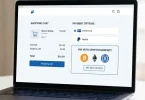

Choosing the right crypto exchange is one of the most important decisions for anyone entering the cryptocurrency market. A good exchange can make buying, selling, storing, and trading crypto easier. A poor exchange can create problems with fees, withdrawals, security, customer support, liquidity, and account access.
Beginners usually need a simple app, clear pricing, strong security, fiat deposit options, educational tools, and easy buy/sell features. Active traders need something different: low trading fees, deep liquidity, advanced charts, limit orders, futures or derivatives access, API support, fast execution, and strong risk controls.
That is why the “best crypto exchange” is not the same for everyone.
A beginner buying Bitcoin for the first time may prefer Coinbase or Kraken because of strong brand trust, compliance, and simple interfaces. An active trader may prefer Binance, OKX, Bybit, Kraken Pro, or Coinbase Advanced because of liquidity, order books, fee structures, and advanced trading tools. A user who wants simple investing may prefer Robinhood or eToro in supported regions. A privacy-focused user may prefer to move crypto from an exchange to a self-custody wallet after purchase.
In 2026, crypto exchanges are also facing more regulation, more competition, and more scrutiny. Forbes Advisor’s June 2026 exchange review rated Coinbase Exchange as its best overall crypto exchange because of its user-friendly interface, U.S. regulatory compliance, and 400-plus supported crypto coins. Investopedia’s June 2026 review found Kraken to be the best exchange for users who prioritize low fees.
This guide compares the best crypto exchanges for beginners and active traders, explains what features matter, and helps you choose the right platform based on your needs.
Important Disclaimer
This article is for educational and informational purposes only. It is not financial, legal, tax, or investment advice. Cryptocurrency is volatile and risky. Prices can change quickly, exchanges can restrict access, and regulations vary by country. Always do your own research and consult a qualified advisor before making financial decisions.
What Is a Crypto Exchange?
A crypto exchange is an online platform where users can buy, sell, trade, and sometimes store cryptocurrencies.
Most exchanges allow users to trade assets such as:
- Bitcoin
- Ethereum
- Solana
- XRP
- Cardano
- Dogecoin
- Litecoin
- BNB
- Stablecoins
- Altcoins
- DeFi tokens
- Layer-2 tokens
- Meme coins
- Tokenized assets in some regions
Crypto exchanges usually make money through trading fees, spreads, withdrawal fees, listing fees, staking commissions, or other platform services. CoinMarketCap explains that exchanges can make money through different fee structures, including percentage-based trading fees and flat fees for transactions.
There are different types of exchanges:
| Exchange Type | Meaning | Best For |
|---|---|---|
| Centralized exchange | Company-operated trading platform | Beginners and most traders |
| Decentralized exchange | Wallet-to-wallet trading using smart contracts | DeFi users |
| Broker-style app | Simple buy/sell platform | Beginners |
| Advanced trading exchange | Order books, charts, APIs, derivatives | Active traders |
| Fiat-to-crypto exchange | Supports bank/card deposits | New users |
| Crypto-only exchange | Mostly crypto pairs | Experienced users |
Most beginners start with centralized exchanges because they are easier to use.
What Makes a Crypto Exchange Good?
A good crypto exchange should be safe, transparent, liquid, easy to use, and suitable for your trading style.
The most important factors are:
- Security
- Regulation and availability
- Fees and spreads
- Liquidity
- Coin selection
- Deposit and withdrawal methods
- User interface
- Mobile app quality
- Trading tools
- Customer support
- Proof of reserves or transparency
- Staking and earning options
- Wallet withdrawal support
- Tax report support
- Country restrictions
For beginners, simplicity and safety matter most. For active traders, fees and liquidity matter more.
Best Crypto Exchanges for Beginners and Active Traders
Below are some of the best crypto exchanges to compare in 2026.
1. Coinbase
Best for: Beginners, U.S. users, simple buying, regulated crypto access
Good for: Bitcoin, Ethereum, altcoins, staking, learning, mobile app users
Main strength: Beginner-friendly platform with strong U.S. compliance
Coinbase is one of the most recognized crypto exchanges in the world. It is especially popular with beginners because the app is easy to use, the brand is well known, and users can buy crypto with familiar payment methods.
Forbes Advisor’s June 2026 review rated Coinbase Exchange as the best overall crypto exchange, highlighting its user-friendly interface, U.S. regulatory compliance, and support for 400-plus crypto coins.
Key Features
- Beginner-friendly app
- Coinbase Advanced for active traders
- Large coin selection
- Bank transfer support
- Debit card support in some regions
- Staking options where available
- Recurring buys
- Learning resources
- Mobile app
- Institutional services
- Wallet option
- Tax report support
- U.S. public company transparency
Why Coinbase Is Good
Coinbase is a strong choice for beginners because it removes much of the complexity from crypto buying. The interface is simple, account setup is clear, and users can buy major coins without understanding advanced order books.
Coinbase also offers advanced trading tools for users who outgrow the basic interface. Its Google Play listing describes advanced trading tools, real-time order books, TradingView-powered charts, staking rewards, and portfolio management features.
Fees
Coinbase pricing can vary by order type, region, payment method, spread, and platform interface. Coinbase says there are no Coinbase transaction fees in some simple trade contexts, but a spread applies when buying, selling, or trading crypto, and other fees may apply.
Beginners should be careful: simple buy/sell screens may cost more than using advanced trading tools.
Best Fit
Coinbase is best for beginners, U.S. users, long-term investors, and people who want a regulated, easy-to-use crypto platform.
Possible Downsides
Coinbase may not always be the cheapest option. Active traders should compare Coinbase Advanced fees, spreads, and order execution with Kraken, Binance, OKX, and other exchanges.
2. Kraken
Best for: Low fees, security-conscious users, active traders
Good for: Spot trading, advanced orders, fiat deposits, experienced traders
Main strength: Strong reputation, low fees, and advanced trading tools
Kraken is one of the oldest major crypto exchanges and is known for security, trading tools, and lower fees. Investopedia’s June 2026 review found Kraken to be the best crypto exchange for users who prioritize low fees.
Key Features
- Beginner and Pro interfaces
- Kraken Pro trading platform
- Advanced order types
- Spot trading
- Margin and derivatives in supported regions
- Strong security reputation
- Fiat funding options
- Mobile apps
- Staking in supported regions
- API access
- High liquidity for major pairs
- Educational resources
Why Kraken Is Good
Kraken is a strong exchange for users who want more control than a basic app but still want a reputable platform. Beginners can use the simple interface, while active traders can use Kraken Pro for lower fees and advanced tools.
Kraken’s fee documentation says Kraken Derivatives fees are calculated as a percentage of notional order value and that the fee schedule is based on 30-day rolling volume, meaning higher-volume traders may qualify for lower fees.
Fees
Kraken fees depend on product, trading volume, pair, and interface. Kraken’s support page notes that trading fees may differ by service type, and Kraken Pro/derivatives fee schedules vary by volume and product.
Best Fit
Kraken is best for users who want a balance of security, lower fees, fiat access, and advanced trading features.
Possible Downsides
Kraken may feel more complex than Coinbase for absolute beginners. Some products may not be available in every region.
3. Binance
Best for: Global liquidity, large coin selection, active trading
Good for: Altcoins, spot trading, futures, high-volume traders, global users
Main strength: Very large global exchange ecosystem
Binance is one of the largest crypto exchanges by trading volume. CoinMarketCap’s exchange ranking lists major exchanges by volume and includes Binance among the top exchanges globally.
Key Features
- Large coin selection
- High liquidity
- Spot trading
- Futures trading in supported regions
- Margin trading in supported regions
- Staking and earn products
- Launchpad-style products
- P2P trading in some countries
- Mobile app
- API trading
- Advanced charts
- Low trading fees for many users
Why Binance Is Good
Binance is often preferred by active traders because of liquidity, trading pairs, advanced features, and global reach. High liquidity matters because it can reduce slippage on larger trades.
For altcoin traders, Binance usually offers a broad selection of assets compared with many beginner-focused exchanges.
Best Fit
Binance is best for global users, active traders, altcoin traders, and people who need high liquidity.
Possible Downsides
Regulatory availability varies by country. Some users may need to use Binance.US or another region-specific platform. Always confirm whether Binance is legally available in your country before opening an account.
4. OKX
Best for: Advanced global traders and Web3 ecosystem
Good for: Spot trading, derivatives, DeFi access, Web3 wallet users
Main strength: Large exchange with trading and Web3 tools
OKX is a major global crypto exchange with spot trading, derivatives, wallet products, and Web3 features. CoinMarketCap lists OKX among major exchanges by trading volume.
The Financial Times reported in 2026 that Intercontinental Exchange, owner of the New York Stock Exchange, took a stake in OKX at a $25 billion valuation, showing growing traditional finance interest in digital asset infrastructure. The same report also noted OKX had previously paid penalties for operating without a U.S. license, which is an important reminder that users should verify local regulatory availability.
Key Features
- Spot trading
- Derivatives trading
- Advanced charting
- Large token selection
- Web3 wallet
- DeFi access tools
- Staking and earn products
- Mobile app
- API support
- Global liquidity
Why OKX Is Good
OKX is attractive for active traders who want more than basic buy/sell features. It is also useful for users interested in the connection between centralized exchanges and Web3 tools.
Best Fit
OKX is best for experienced global traders who want advanced trading tools, derivatives access, and Web3 features.
Possible Downsides
Availability and regulatory status vary by country. Beginners may find the platform more complex than Coinbase or Kraken.
5. Bybit
Best for: Derivatives and active trading
Good for: Experienced traders, futures users, high-volume traders
Main strength: Trading tools and derivatives liquidity
Bybit is a major crypto trading platform known for derivatives, futures, spot trading, and active trader tools. CoinMarketCap lists Bybit among major derivatives exchanges by volume.
Key Features
- Spot trading
- Futures trading
- Perpetual contracts
- Advanced order types
- Trading bots in some regions
- Copy trading in some regions
- Mobile app
- API access
- High liquidity for major contracts
- Earn products in some regions
Why Bybit Is Good
Bybit is popular with active traders who want advanced tools and derivatives markets. Derivatives allow traders to speculate on crypto price movement without directly holding the underlying asset, but they are much riskier than simple spot buying.
CoinMarketCap explains that crypto derivatives allow traders to take positions on price movements without owning the underlying crypto, and these products can be used for hedging or synthetic long/short exposure.
Best Fit
Bybit is best for experienced traders who understand leverage, liquidation risk, margin, and derivatives.
Possible Downsides
Bybit is not ideal for beginners. Leverage can create large losses quickly. Product availability depends on country rules.
6. Gemini
Best for: Security-focused beginners and U.S. users
Good for: Simple buying, compliance-focused users, long-term holders
Main strength: Regulated exchange with security-focused branding
Gemini is a U.S.-based crypto exchange founded by the Winklevoss twins. It focuses on security, compliance, and a clean user experience.
Key Features
- Simple buy/sell platform
- ActiveTrader platform
- Mobile app
- Security-focused custody
- U.S. availability
- Institutional services
- Staking in supported regions
- Wallet and custody options
- Recurring buys
Why Gemini Is Good
Gemini may be attractive for beginners who want a more compliance-focused exchange and do not need the largest altcoin selection. It can also work for users who want a simpler platform with advanced trading available when needed.
Best Fit
Gemini is best for U.S. users who value security, compliance, and a clean interface.
Possible Downsides
Fees and coin selection may not be as competitive as some global exchanges. Always compare trading costs before using it for frequent trades.
7. Crypto.com
Best for: Mobile app users and crypto ecosystem features
Good for: Beginners, card users, mobile-first investors, staking-style features
Main strength: Mobile app ecosystem and broad crypto services
Crypto.com is a large crypto platform known for its mobile app, exchange services, card products, wallet features, and crypto ecosystem.
Key Features
- Mobile crypto app
- Crypto exchange
- Debit card products in some regions
- Staking/earn-style features where available
- Wallet support
- NFT marketplace in some regions
- Large coin selection
- App-based portfolio tracking
- Fiat deposit options
- Security features
Why Crypto.com Is Good
Crypto.com is useful for users who want a mobile-first crypto experience. It combines buying, selling, portfolio tracking, wallet features, and card-style products in one ecosystem.
Best Fit
Crypto.com is best for mobile-first users and people who want multiple crypto services inside one app.
Possible Downsides
The app can be more expensive for simple purchases depending on spread and payment method. Active traders should compare exchange fees and liquidity.
8. Robinhood Crypto
Best for: Simple crypto trading alongside stocks
Good for: Beginners, casual investors, stock-and-crypto users
Main strength: Easy interface and all-in-one investing app
Robinhood is not a crypto-native exchange in the same way as Binance or Kraken, but it has become popular with users who want crypto and stocks in one simple app.
Investopedia’s 2026 online broker awards named Robinhood “Best for Crypto Trading,” highlighting its simple trading experience, $0 commissions, large selection of tradable coins, and Web3 wallet features.
Key Features
- Simple app
- Crypto and stocks in one place
- $0 commission-style model
- Web3 wallet support
- Beginner-friendly interface
- Mobile-first experience
- Easy account funding
- Good for casual investors
Why Robinhood Crypto Is Good
Robinhood is good for users who already invest in stocks and want basic crypto access without opening a separate exchange account. The interface is easy to understand, which makes it attractive to beginners.
Best Fit
Robinhood Crypto is best for casual investors who want crypto exposure inside a familiar stock investing app.
Possible Downsides
Robinhood may not offer the same advanced trading tools, coin selection, liquidity, or crypto-native features as dedicated exchanges. Users should also review spread, withdrawal support, and wallet availability.
9. eToro
Best for: Social trading and simple crypto investing
Good for: Beginners, copy trading users, global investors in supported regions
Main strength: Social investing experience
eToro is a multi-asset investing platform that offers crypto trading in supported regions. It is known for social trading and copy trading features.
Key Features
- Beginner-friendly interface
- Social trading features
- Copy trading in supported regions
- Crypto trading
- Multi-asset investing in some regions
- Mobile app
- Portfolio tools
- Educational content
Why eToro Is Good
eToro is useful for users who like social investing and want to see how other traders approach markets. Beginners may appreciate the simple design and copy-style features.
Best Fit
eToro is best for beginners who want social trading and simple crypto exposure in supported regions.
Possible Downsides
Copy trading is risky. Following another trader does not guarantee profit. Fees, spreads, and crypto withdrawal rules should be reviewed carefully.
10. Bitstamp
Best for: Long-running exchange reputation and simple spot trading
Good for: European users, long-term crypto investors, simple buying
Main strength: Older exchange with straightforward trading
Bitstamp is one of the older crypto exchanges. It is often used by people who want simple spot trading and a long-running exchange brand.
Key Features
- Spot trading
- Fiat deposits
- Mobile app
- Simple buy/sell
- API access
- Institutional services
- Long exchange history
- European presence
- Major crypto pairs
Why Bitstamp Is Good
Bitstamp can be a good choice for users who want a straightforward exchange without too many extra products. It may appeal to European users and long-term investors who prefer a simpler platform.
Best Fit
Bitstamp is best for users who want a long-established crypto exchange for basic spot trading.
Possible Downsides
It may not have the same large coin selection or advanced product range as Binance, OKX, or Bybit.
Quick Comparison Table
| Exchange | Best For | Main Strength | Best User Type |
|---|---|---|---|
| Coinbase | Beginners and U.S. users | Easy app and compliance | New investors |
| Kraken | Low fees and security | Pro tools and reputation | Beginners to active traders |
| Binance | Global liquidity | Huge coin selection | Active global traders |
| OKX | Advanced/Web3 users | Trading + Web3 ecosystem | Experienced traders |
| Bybit | Derivatives trading | Futures and active tools | Advanced traders |
| Gemini | Security-focused users | Compliance and clean UX | U.S. long-term holders |
| Crypto.com | Mobile ecosystem | App, card, wallet features | Mobile-first users |
| Robinhood Crypto | Simple investing | Crypto + stocks in one app | Casual investors |
| eToro | Social trading | Copy/social features | Beginner social traders |
| Bitstamp | Simple spot trading | Long exchange history | European/basic traders |
Best Crypto Exchange for Beginners
For beginners, the best exchanges are usually:
- Coinbase
- Kraken
- Gemini
- Crypto.com
- Robinhood Crypto
- eToro
Beginners should look for:
- Easy account setup
- Simple buy/sell interface
- Clear fees
- Strong security
- Good mobile app
- Bank transfer support
- Customer support
- Educational content
- Ability to withdraw crypto
- Reputation and regulation
A beginner does not need 200 trading indicators or 50x leverage. The first goal should be safe learning, basic buying, and understanding custody.
Best Crypto Exchange for Active Traders
Active traders usually compare:
- Kraken Pro
- Binance
- OKX
- Bybit
- Coinbase Advanced
- Bitstamp
- Gemini ActiveTrader
Active traders should look for:
- Low maker/taker fees
- High liquidity
- Tight spreads
- Advanced charts
- Limit and stop orders
- API access
- Fast execution
- Stable platform uptime
- Margin or derivatives, if needed
- Volume-based discounts
- Strong risk controls
Active traders care about cost because small fee differences can become expensive after hundreds of trades.
Centralized Exchange vs Decentralized Exchange
Most users start with centralized exchanges, but decentralized exchanges also matter.
Centralized Exchange
A centralized exchange is run by a company. You create an account, verify identity, deposit money, and trade on the platform.
Pros:
- Easier for beginners
- Fiat deposits
- Customer support
- Higher liquidity
- Mobile apps
- Tax report exports
- Better for simple buying
Cons:
- You trust the company
- Account freezes are possible
- KYC may be required
- Exchange hacks can happen
- Withdrawals can be restricted
Decentralized Exchange
A decentralized exchange lets users trade from their own wallets through smart contracts.
Pros:
- Self-custody
- No central account
- DeFi access
- Wide token availability
- Permissionless trading
Cons:
- More complex
- Higher scam risk
- Smart contract risk
- No customer support
- Gas fees
- Wallet mistakes can be permanent
Beginners should usually learn centralized exchanges first before using decentralized exchanges.
Crypto Exchange Fees Explained
Crypto exchange fees can be confusing because there are several types.
Trading Fees
Trading fees are charged when you buy or sell crypto. Many exchanges use maker/taker pricing.
- Maker order: adds liquidity to the order book
- Taker order: removes liquidity from the order book
Spread
The spread is the difference between buy and sell prices. Simple buy/sell screens often include a spread.
Deposit Fees
Some deposits are free. Others may cost money depending on bank transfer, card, wire, or payment method.
Withdrawal Fees
Crypto withdrawals often include network fees. Fiat withdrawals may also have fees.
Conversion Fees
Some platforms charge extra for converting one asset to another.
Funding Fees
Derivatives positions may include funding rates.
Inactivity or Service Fees
Some platforms may have account or service fees.
Coinbase says spread applies when buying, selling, or trading cryptocurrencies, while other fees may also apply depending on the transaction.
Security Features to Check Before Choosing an Exchange
Crypto exchange security matters because crypto transactions can be irreversible.
Look for:
- Two-factor authentication
- Withdrawal allowlist
- Device management
- Anti-phishing codes
- Cold storage
- Proof of reserves or audits
- Insurance disclosures
- Regulatory licenses
- Strong password policy
- Account activity alerts
- Withdrawal delays for new addresses
- Bug bounty program
- Good security history
Also protect yourself:
- Use a strong password
- Enable 2FA with an authenticator app
- Avoid SMS-only 2FA if possible
- Never share seed phrases
- Never share private keys
- Beware fake exchange websites
- Bookmark official exchange URLs
- Do not click suspicious emails
- Withdraw long-term holdings to a hardware wallet
Remember: a crypto exchange account is not the same as a bank account.
Should You Keep Crypto on an Exchange?
Keeping crypto on an exchange is convenient, but it has risks.
Keeping Crypto on Exchange
Best for:
- Active trading
- Short-term positions
- Small balances
- Beginners learning
- Users who need quick liquidity
Risks:
- Exchange hack
- Account freeze
- Withdrawal pause
- Platform failure
- Regulatory restrictions
- Login compromise
Moving Crypto to Self-Custody
Best for:
- Long-term holding
- Larger balances
- Security-conscious users
- Users who understand wallets
- People who want control of private keys
Risks:
- Losing seed phrase
- Sending to wrong address
- Wallet malware
- No customer support
- Mistakes are often irreversible
A common approach is to keep trading funds on an exchange and move long-term holdings to a secure wallet.
Crypto Exchange Regulation and Country Availability
Crypto exchange rules vary widely by country. Some platforms are available globally, while others are restricted in certain regions.
Investopedia notes that crypto regulation differs by country; for example, Japan’s Payment Services Act recognizes Bitcoin as legal property and requires exchanges to collect customer and wire transfer details, while China has banned crypto exchanges, transactions, and mining.
Before choosing an exchange, check:
- Is it available in your country?
- Does it support your local currency?
- Is KYC required?
- Are withdrawals allowed?
- Are derivatives legal in your country?
- Are staking services available?
- Are taxes reported locally?
- Does it comply with local rules?
Never use a restricted platform through misleading information. That can create account and withdrawal problems.
Best Exchange by User Intent
Best for First-Time Bitcoin Buyers
Coinbase, Kraken, Gemini
These platforms are easier for beginners and have strong reputations.
Best for Low Fees
Kraken, Binance, OKX
Fee structures vary, but these platforms are often compared by active traders.
Best for Altcoin Access
Binance, OKX, Bybit
These usually offer larger token selections than beginner-only apps.
Best for U.S. Users
Coinbase, Kraken, Gemini, Robinhood Crypto
Availability and product support may vary by state.
Best for Advanced Trading
Binance, OKX, Bybit, Kraken Pro, Coinbase Advanced
These are better for users who understand order books and risk.
Best for Mobile-First Users
Coinbase, Crypto.com, Robinhood, Binance
The app experience matters for casual users.
Best for Social Trading
eToro
Useful for users who want social features, but copy trading is risky.
Best for Long-Term Holders
Coinbase, Kraken, Gemini, Bitstamp
Long-term holders should also consider self-custody wallets.
Red Flags When Choosing a Crypto Exchange
Avoid exchanges with:
- No clear ownership
- No withdrawal support
- No fee transparency
- Fake volume claims
- No security features
- Poor customer reviews
- Promises of guaranteed profit
- Pressure to deposit quickly
- Unrealistic staking returns
- No regulatory information
- No customer support
- Frequent withdrawal delays
- Copycat website design
- Unknown app downloads
A legitimate exchange does not need to promise guaranteed profits.
How to Choose the Best Crypto Exchange
Use this checklist:
- Confirm the exchange is available in your country
- Check supported coins
- Compare fees and spreads
- Review deposit and withdrawal methods
- Check security features
- Test customer support quality
- Read recent user reviews
- Check liquidity for your trading pairs
- Confirm whether crypto withdrawals are allowed
- Review tax report tools
- Avoid platforms with unrealistic claims
- Start with a small deposit
- Learn how withdrawals work
- Use 2FA and withdrawal allowlists
- Move long-term holdings to secure storage if needed
The right exchange should match your experience level.
Common Mistakes Beginners Make
Mistake 1: Buying Through the Most Expensive Screen
Simple buy buttons may include higher spreads. Advanced trading screens can sometimes be cheaper.
Mistake 2: Leaving Large Balances on an Exchange
Exchanges are convenient, but long-term storage may be safer in self-custody if you know how to manage wallets.
Mistake 3: Not Checking Withdrawal Fees
Some coins are expensive to withdraw depending on network fees.
Mistake 4: Using Leverage Too Early
Leverage can wipe out an account quickly.
Mistake 5: Not Understanding Stablecoins
Stablecoins are not risk-free. Issuer, reserve, and regulatory risk exist.
Mistake 6: Ignoring Taxes
Trading crypto can create taxable events.
Mistake 7: Falling for Fake Apps
Download only from official app stores and official websites.
Mistake 8: Not Testing Small Withdrawals
Before moving a large amount, test with a small transaction.
Final Verdict: What Is the Best Crypto Exchange?
The best crypto exchange depends on your needs.
For most users:
- Best overall for beginners: Coinbase
- Best for low fees and security: Kraken
- Best for global liquidity: Binance
- Best for advanced global trading: OKX
- Best for derivatives: Bybit
- Best security-focused U.S. option: Gemini
- Best mobile ecosystem: Crypto.com
- Best stock-and-crypto app: Robinhood Crypto
- Best social trading: eToro
- Best simple long-running exchange: Bitstamp
If you are new to crypto, start with a beginner-friendly exchange such as Coinbase, Kraken, or Gemini. If you are an active trader, compare Kraken Pro, Binance, OKX, Bybit, and Coinbase Advanced. If you want long-term storage, learn how wallets work and consider moving funds off-exchange safely.
The best crypto exchange is not only the one with the most coins. It is the one that gives you the right mix of security, fees, liquidity, regulation, tools, and ease of use.
FAQs About Crypto Exchanges
What is the best crypto exchange for beginners?
Coinbase, Kraken, and Gemini are strong beginner options because they offer simple interfaces, strong reputations, and fiat buying options. Forbes Advisor’s June 2026 review rated Coinbase Exchange as its best overall crypto exchange.
What is the best crypto exchange for low fees?
Kraken is often recommended for low fees. Investopedia’s June 2026 review found Kraken to be the best crypto exchange for users who prioritize low fees.
What is the best crypto exchange for active traders?
Active traders often compare Binance, Kraken Pro, OKX, Bybit, and Coinbase Advanced because they offer advanced order books, charting, liquidity, and lower fee structures for active trading.
Is Coinbase good for beginners?
Yes. Coinbase is one of the most beginner-friendly crypto exchanges. It offers an easy app, broad coin selection, educational resources, and advanced tools for users who want to grow beyond simple buying.
Is Kraken better than Coinbase?
Kraken may be better for users who want lower fees and advanced trading tools. Coinbase may be better for beginners who want the simplest user experience. The better choice depends on your needs.
Is Binance safe?
Binance is one of the largest global exchanges by volume, but availability and regulation vary by country. Users should confirm whether Binance is allowed in their location and use strong account security.
Should I keep my crypto on an exchange?
For active trading, keeping some funds on an exchange can be convenient. For long-term holding, many users prefer self-custody wallets or hardware wallets, but those require careful seed phrase management.
What fees do crypto exchanges charge?
Crypto exchanges may charge trading fees, spreads, withdrawal fees, deposit fees, conversion fees, funding fees, and service fees. Coinbase says a spread applies when buying, selling, or trading crypto, and other fees may apply.
What is the safest crypto exchange?
No exchange is risk-free. Safer exchanges usually have strong security, two-factor authentication, withdrawal controls, regulatory compliance, good history, and transparency. Coinbase, Kraken, Gemini, and Bitstamp are often compared by security-conscious users.
Are crypto exchanges regulated?
Regulation depends on the country and exchange. Some exchanges are regulated in certain jurisdictions, while others operate internationally with different restrictions. Always verify local availability before using an exchange.